Hiking with a Dog — What You Need to Know Before You Go
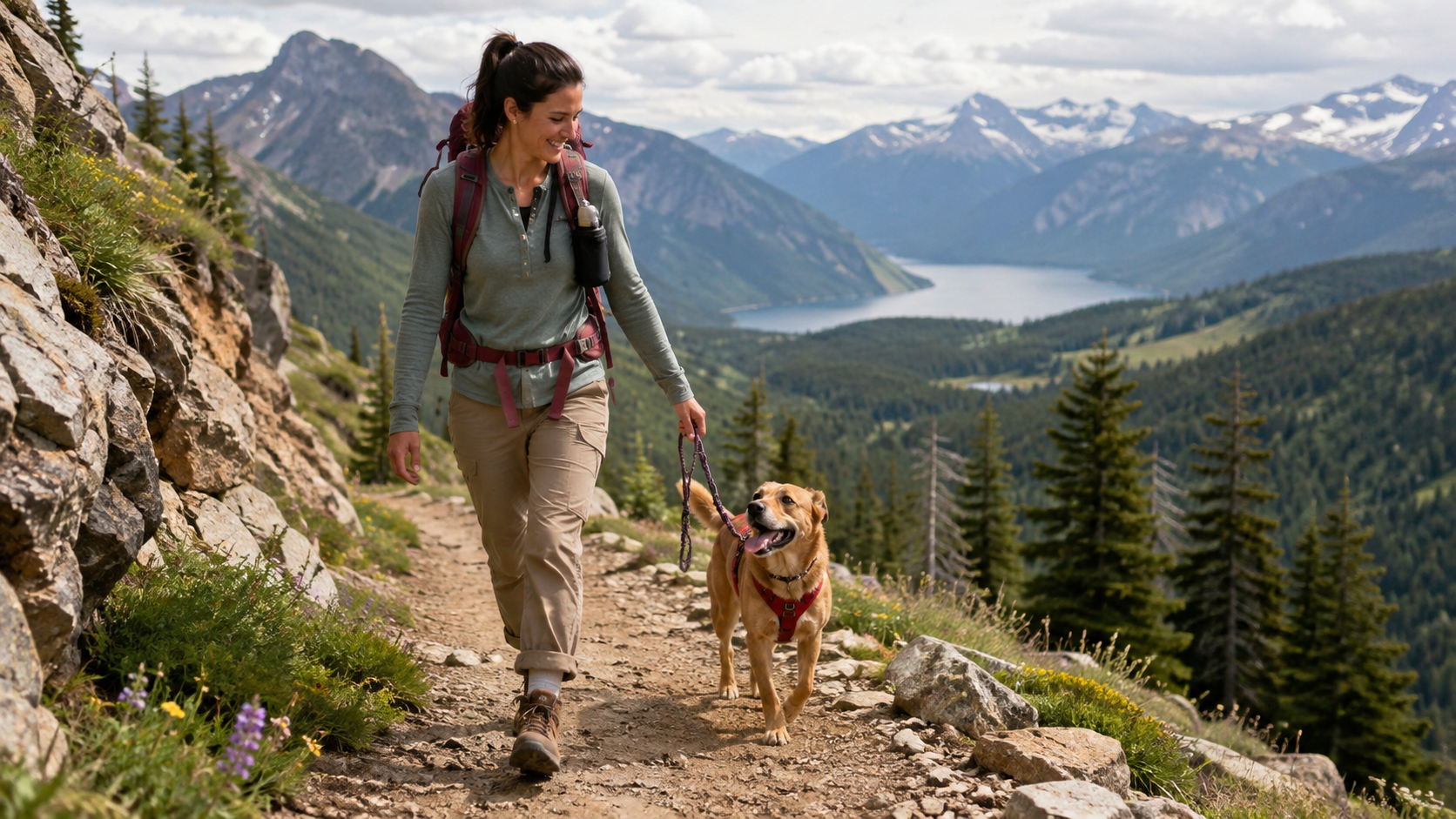
A dog can be an excellent hiking companion, but a good day out depends on three things you should think through in advance: the route, the kit and the rules. A trail that feels easy to you may be too long, too hot or simply unsuitable for your dog.
- Assess your dogChoose the route around age, health and normal activity levels.
- Carry enough waterDo not depend on uncertain natural water sources.
- Check the rulesLead requirements and access restrictions can vary.
- Avoid the hottest part of the dayIn summer, early or late starts are usually safer.
- Check your dog afterwardsInspect paws, coat and common tick areas after the walk.
Assess your dog — not just the route
The same trail can be a very different challenge for different dogs
Age, health, breed and previous activity all influence what is realistic.A young, active dog, an older Labrador and a puppy will not experience the same trail in the same way. Choose the walk around your dog’s actual condition first, then look at distance, ascent and terrain.
Age and health
Puppies and older dogs need a more gradual approach. If your dog has joint problems, a gentler route may be more appropriate than long descents, rough rock or sustained steep terrain.
Breed-related limitations
Flat-faced breeds can struggle more in hot weather and under heavy exertion, while dogs with long or dark coats may overheat more quickly than expected in summer.
Build fitness gradually
Regular park walks do not automatically prepare a dog for an all-day mountain hike.If your dog is only used to shorter walks, do not make an all-day mountain route the first test. Increase distance and effort gradually before moving on to longer hikes.
Let your dog’s pace set the benchmark
Stops, movement and behaviour often tell you more than the mileage does.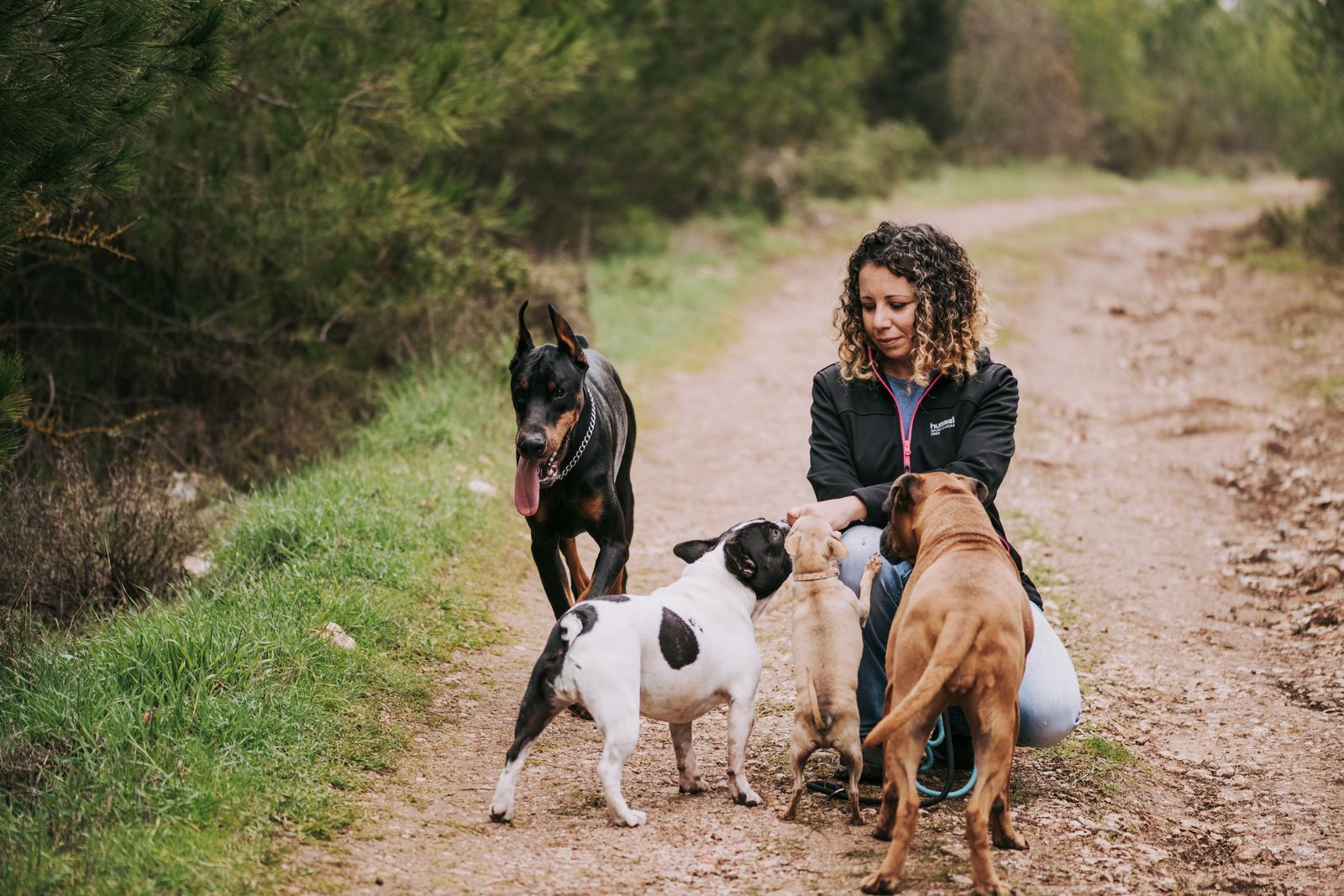
What to pack for a hike with your dog
Your dog needs its own kit
Your own water, first-aid kit and food do not automatically cover everything your dog may need.- Collar and identification. Being identifiable matters even more on unfamiliar ground.
- Emergency blanket. Useful if your dog is injured or becomes chilled.
- Tick protection. Prevention should be planned before you reach the trailhead.
You can find the full general hiking kit list on Túraprogramok. When hiking with a dog, add items such as a bowl, tick remover and waste bags.
Trail rules that often catch dog walkers out
Lead rules are not the same everywhere
National parks, protected areas, alpine pasture and coastal paths may all have different requirements.Check the exact area before setting off
General country-level advice is not enough when local access rules can change.National park and protected-area rules can change. Check the official requirements for the exact route or site, and do not assume that what is allowed in one park will be allowed in another.
Keep control when you meet others
Other dogs, wildlife and narrow paths make lead handling a safety issue as well as a legal one.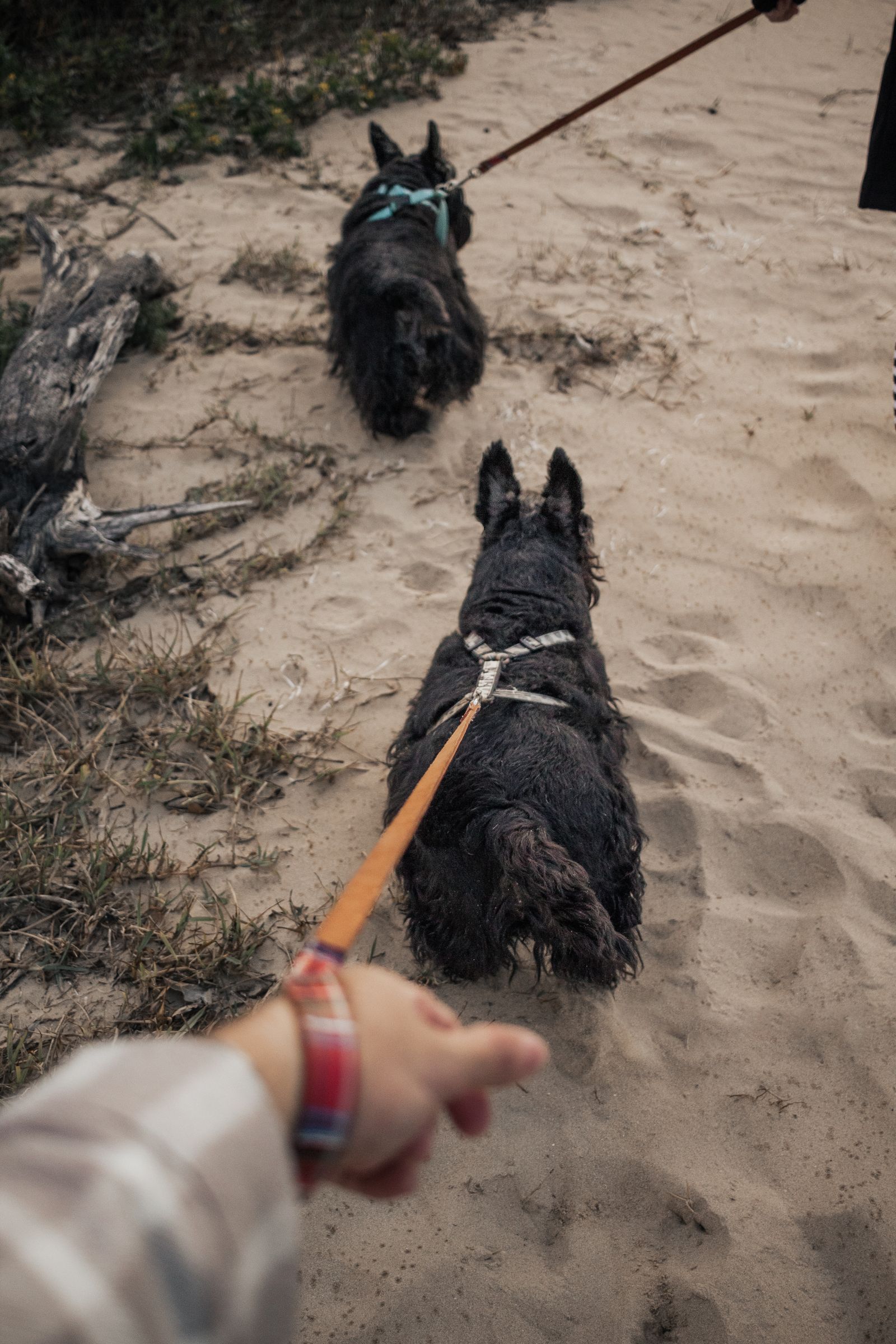
What to watch while you are hiking
Keep reading your dog throughout the walk
A successful hike is not one where you force yourselves to complete the planned route at all costs.- Start earlyCooler morning conditions are generally easier for dogs than midday heat.
- Offer water regularlyDo not wait until your dog looks obviously thirsty or exhausted.
- Check the paw padsHot surfaces, sharp rock and rough limestone can all cause damage.
- Shorten the lead around other dogsControl matters more than freedom in an unfamiliar encounter.
- Check your dog after the hikeInspect paws, coat and the areas where ticks are easiest to miss.
Heatstroke — the most serious summer risk
Overheating can become serious very quickly
The source material highlights heavy panting, drooling, unsteady movement and collapse as warning signs.If your dog is panting heavily, drooling unusually, becoming unsteady or collapsing, stop the exercise and move to a cooler place. The source material recommends cooling with cool — not ice-cold — water and seeking veterinary attention.
Prevention is easier than an emergency
In summer, timing and shade can make a major difference.The source material recommends going out early in the morning or later in the evening during hot weather. A dog’s tolerance for exertion can fall quickly in the heat, so do not judge conditions only by how comfortable you feel.
Ticks — an easy risk to underestimate
Prevention, inspection and prompt removal
These are the three steps emphasised in the source material.| Measure | When | Note |
|---|---|---|
| Tick prevention | Before the hike | Discuss the most suitable product and timing with your vet. |
| Full check | After the hike | Pay particular attention to ears, armpits, inner thighs and dense fur. |
| Removal | As soon as you find one | Carry an appropriate tick-removal tool. |
Six mistakes to avoid when hiking with a dog
Most problems can be prevented
Control, gradual progression and planning matter more than impressive-looking gear.What should your first proper hike with a dog look like?
Short, straightforward and easy to cut short
The first goal should be a positive experience, not a personal best.Frequently asked questions about hiking with a dog
The key questions to answer before you set off
These answers summarise the points covered in the supplied source material.Can I take my dog on every hiking trail?
Not necessarily. National parks, protected areas and individual attractions may have their own rules, so check the exact location before you travel.
Can I rely on natural water sources?
The source material advises against it. Carry your own water and a bowl because a stream or spring may be unavailable or unsuitable.
When should my dog be on a lead?
Always follow local rules. A lead is especially important around unfamiliar dogs, wildlife, narrow trails or whenever recall is not completely reliable.
What makes a good first proper hike?
A shorter route with modest ascent, easy rest opportunities and straightforward options for turning back if your dog is struggling.
What should I check after the walk?
Inspect the paw pads, coat, common tick areas and any small cuts, abrasions or other signs of soreness.
What should I do if my dog is struggling in the heat?
Stop the activity, move to a cooler place and follow the emergency steps described in the source material while seeking veterinary advice.
Your dog’s condition matters more than the planned distance.
If your dog’s movement changes, they overheat, tire badly or show signs of injury, turning back is the right decision — even if the summit or finish is close.
Build a shared hiking routine gradually.
Start with easy routes, watch how your dog responds, build a reliable kit routine and check the current rules whenever you visit a new area.