Melting Glaciers, Hidden Bombs: The Dangers of Wars Past in the Dolomites
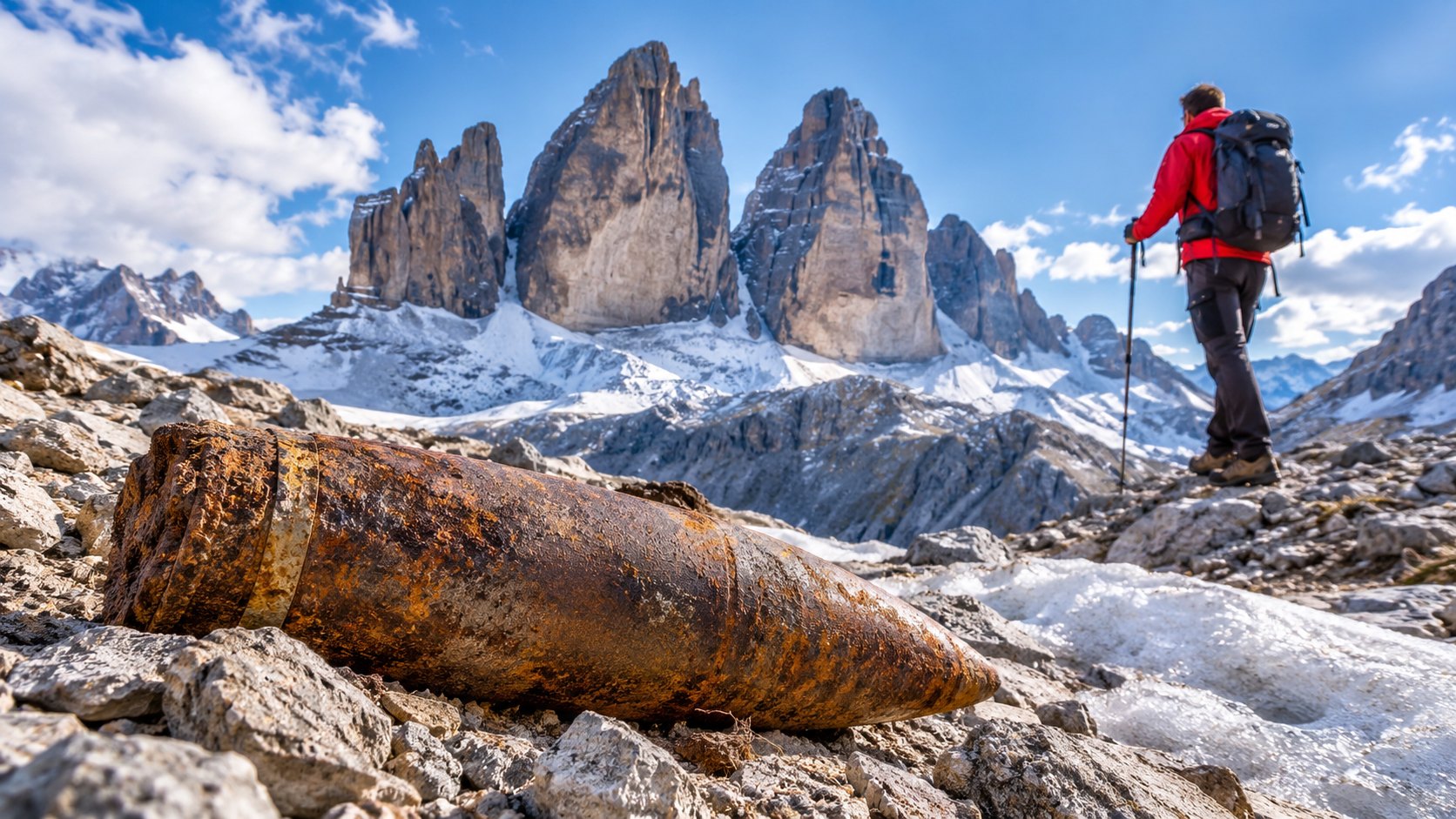
Climate change is not only reshaping the appearance of high mountain landscapes; it is also exposing deadly remnants of wars fought more than a century ago. In Italy’s Dolomites, more than 250 unexploded World War I munitions were found and made safe in 2026. Some were discovered near popular hiking and mountaineering routes.
More than 250 unexploded munitions have emerged from beneath the ice
The Dolomites are among Italy’s most popular mountain destinations. Their steep limestone walls, monumental peaks, via ferrata routes and glaciers attract large numbers of tourists and experienced mountaineers every year. Yet this landscape also preserves a historical legacy that few visitors think about: the still-dangerous remains of battles fought in the mountains during the First World War.
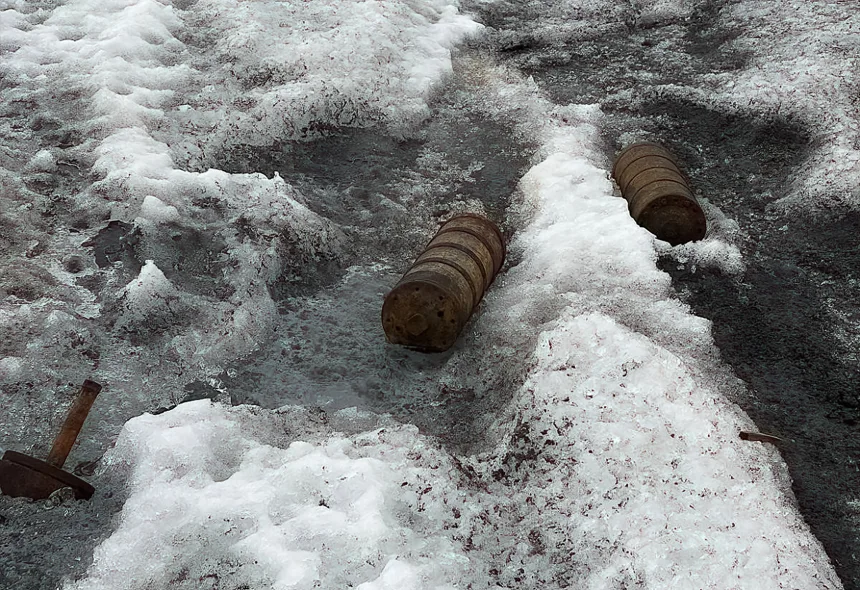
During the summer and early autumn of 2026, specialists from the Italian Army’s Julia Alpine Brigade carried out extensive reconnaissance and clearance operations in the mountains of Trentino–Alto Adige. Rapidly retreating glaciers and melting ice exposed munitions that had lain hidden beneath snow and ice for more than a century.
Military specialists collected and made safe a total of around 250 unexploded munitions. The finds included artillery shells and mortar rounds. The operation began in early August and concluded on October 16.
Some of the hazardous objects were spotted by hikers, other outdoor visitors and mountain workers. In another case, rescue work following a road accident led to the discovery of a First World War shell.
Clearance was not straightforward everywhere: the specialists had to work in remote high-altitude areas, on steep slopes and in terrain close to glaciers. Removing the unexploded munitions required considerable mountaineering experience and specialised military training.
Many of the recovered munitions date from the Alpine battles fought between 1915 and 1918. Italian and Austro-Hungarian forces fought one another in the high mountains of the Dolomites and the Alps. Because of the unusual conditions of this conflict, the period is often referred to as the “White War”.
The soldiers faced more than enemy fire: extreme cold, avalanches, rockfalls and difficult terrain posed equally serious threats. They built positions into mountainsides, caves and areas near glaciers, while some of their equipment and ammunition became trapped in snow and ice.
Over recent decades, retreating ice has brought more and more of these relics to the surface. Alongside weapons, former military shelters, personal belongings and human remains have also been discovered. The mountains have thus become places of both historical remembrance and dangerous discoveries.
Why are they becoming an increasing danger to hikers?
Natural glacier fluctuations are themselves a defining process in high mountain environments, but global warming is accelerating the retreat of the ice. Low winter snowfall in 2025 and extreme summer heat in 2026 further intensified melting in the Trentino region.
As a result, unexploded munitions once concealed in permanently frozen areas are returning to the surface. Although these objects may have lain in the mountains for over a century, they cannot be considered harmless. Corrosion, damage and prolonged exposure to the elements can make their condition unpredictable.
Moreover, the danger is not limited to the immediate surroundings of glaciers. Water, melting ice and the natural movement of material down slopes can cause some objects to emerge far from their original locations. Even well-used hiking routes cannot therefore be considered entirely free of risk under all conditions.
In October, the discovery of a 75-millimetre artillery shell led to the temporary closure of a popular climbing route in the area between Cima del Frate and Forcella Fierollo. The route was reopened after the clearance operation.
What should you do if you find a suspicious object while hiking?
The most important rule is simple: never touch, move or attempt to examine a suspicious object more closely!
An old shell or grenade may at first appear to be an insignificant piece of metal. Its external condition, however, cannot reliably reveal whether it still contains explosives or how unstable it might be.
If you discover such an object:
– Do not touch it! Do not pick it up, turn it over or attempt to clean it.
–
Move away carefully! Avoid approaching the object again and, if possible, leave the immediate area by the same safe route you used to arrive.
–
Notify the authorities! In Italy, contact the police or call the emergency number 112.
–
Give the location! If it is safe to do so, GPS coordinates or an accurate description of the location can help specialists. Take photographs only from a safe distance, without approaching the object.
Reporting the discovery is not an overreaction but responsible behaviour in the outdoors. It is up to qualified specialists to determine whether the object is dangerous and how it should be removed.
Climate change is also reshaping conditions for mountain hiking
Retreating glaciers do more than uncover historical relics. The loss of ice changes the stability of high mountain terrain and can create new risks for mountaineers. Melting ice, loosening rock and changing route conditions can make even previously familiar routes more hazardous.
According to experts at Climbers.hu, the massive, deadly ice collapse on the Marmolada glacier in 2022, which claimed 11 lives, is a tragic reminder of how serious the consequences of rapid changes in high mountain environments can be.
The Dolomites remain a spectacular destination for hikers and mountaineers. These recent discoveries, however, show how the dangers of the past and those of the present can meet in the mountains in entirely unexpected ways.
Being prepared, respecting local route closures and warnings, and leaving suspicious objects untouched are now as much a part of responsible high-altitude hiking as appropriate equipment and keeping an eye on the weather.