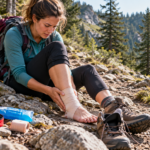

Vaccinations for Frequent Hikers: Tick-Borne Encephalitis, Tetanus, Rabies and More
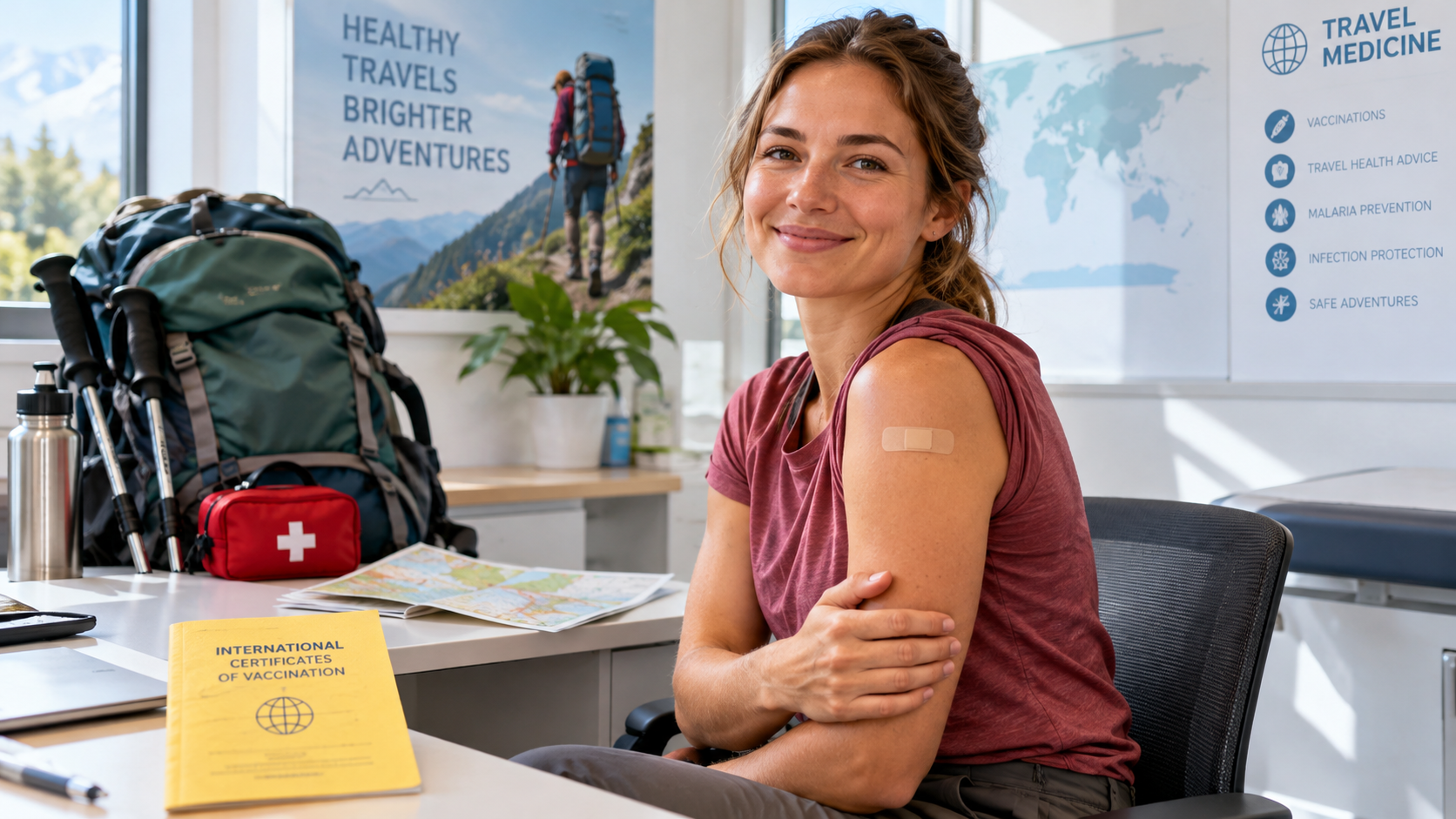
Frequent hiking requires more than sturdy boots, layered clothing and reliable navigation: it sometimes calls for medical preparation as well. If you spend a lot of time in forests, tall grass, remote valleys or mountain regions abroad, you may wonder: which vaccinations should hikers consider? Vaccination against tick-borne encephalitis and checking your tetanus protection are among the most common concerns. Other vaccines, such as those against rabies or hepatitis A, are mainly relevant to particular exposures and travel destinations. Vaccination, however, does not replace tick repellent, protective clothing, wound care or professional medical assistance.
Worth considering for frequent hikers and people regularly exposed to ticks.
Checking your protection is important because outdoor injuries can become contaminated with soil.
There is currently no routinely available human vaccine against it; preventing tick bites remains essential.
Rabies, hepatitis A and travel vaccines depend on your personal risk.
- There is a vaccine against tick-borne encephalitis.Worth considering for frequent forest hikers and people visiting areas where the disease is present.
- Check that your tetanus protection is up to date.Routine adult boosters are generally due every 10 years; an injury may require a different decision.
- There is no routinely available human vaccine against Lyme disease.Repellent, protective clothing, body checks and prompt tick removal remain important.
- Rabies and hepatitis A: assess individual risk.They are not automatically necessary for every weekend hiker.
- Seek medical care after an animal bite or a heavily contaminated wound.First aid and reviewing vaccination status are separate parts of care.
Do you need additional vaccinations simply because you hike frequently?
Not every hiker needs the same vaccines
How often you hike, where you go, and your risk of injuries and tick exposure determine which vaccinations are relevant.In Hungary, an average recreational hiker does not automatically need a long list of vaccinations. Start by checking your existing protection. Frequent exposure in forests may make tick-borne encephalitis vaccination relevant, while soil-contaminated injuries make tetanus protection important. Other vaccines depend on your destination, health status and activities.
- Consider vaccination against tick-borne encephalitis
- Check your tetanus vaccination history
- Plan tick-bite prevention and basic first aid
- Pre-exposure rabies vaccination
- Hepatitis A vaccination
- Travel vaccinations based on your destination
Do not start by counting how many vaccines you could receive. Discuss your individual risk and existing immunity with your GP or vaccination provider.
Tick-borne encephalitis: when should you consider vaccination?
A vaccine is available against this viral brain infection
Tick-borne encephalitis and bacterial Lyme disease are two different illnesses.
Tick-borne encephalitis (TBE) is a viral infection transmitted by the bite of an infected tick. In some cases it can cause severe illness affecting the central nervous system. The ECDC identifies vaccination as an important preventive measure in areas where TBE occurs. Avoiding tick bites remains advisable even if you are vaccinated.
According to Hungary’s Egészségvonal public health information service, vaccination may be recommended for hikers and people spending leisure time in areas where infected ticks occur. The risk does not simply depend on whether you are in the mountains: the specific area, season, vegetation around the trail and your outdoor activities all matter.
Developing protection may take time and several vaccination appointments. Arrange the course with your vaccination provider in advance; accelerated schedules can be used only when appropriate for the vaccine and circumstances.
Tetanus: why does it matter when hiking?
Rust itself is not the problem: a contaminated wound is
Spores of the bacteria can be found in soil and the wider environment.
Tetanus is a serious illness caused by a toxin produced by the Clostridium tetani bacterium. The risk may arise after a fall, puncture wound, soil-contaminated abrasion, cycling accident or animal bite. Vaccination is central to prevention.
Hungary’s Egészségvonal and the CDC both emphasize that adult tetanus protection generally needs to be maintained with a booster every 10 years. After a contaminated, deep or bite wound, a clinician may decide that another dose or, in certain circumstances, tetanus immunoglobulin is needed, based on the wound and your previous vaccinations.
If the wound is deep or heavily contaminated, you have been bitten by an animal, or your vaccination history is unknown, do not simply check the dates at home: seek medical attention promptly.
Lyme disease: what does the TBE vaccine protect against, and what does it not?
These are two different diseases
Checking for ticks remains important after vaccination, and Lyme disease must be considered separately.Lyme disease is caused by Borrelia bacteria. The vaccine against tick-borne encephalitis does not prevent Lyme disease. According to Hungary’s Egészségvonal service, there is currently no routinely available human vaccine against Lyme disease. Prevention therefore focuses on avoiding tick bites and removing attached ticks as soon as possible.
- Use tick repellent according to its instructions
- Wear long clothing and keep trouser cuffs secured when appropriate
- Check your body for ticks after hiking
- Remove attached ticks promptly and correctly
- “I have had a tick vaccine, so I cannot get Lyme disease”
- Coating ticks with oil or cream
- Dismissing every skin change as an ordinary bite reaction
See a doctor if you develop an expanding rash, fever, headache, neurological symptoms or unusual joint problems. A Lyme-related rash does not always have a classic bull’s-eye appearance.
What other vaccinations might be relevant to hikers?
Rabies, hepatitis A and your routine vaccination status
Specialized trips abroad or exposure to animals can introduce additional risks.- Pre-exposure vaccination may be appropriate for people who frequently encounter animals or visit certain remote, high-risk areas.
- Seek urgent medical assessment after a potentially rabid animal bite or scratch, or a risky encounter with a bat.
- Post-exposure treatment may still be required even if you previously received preventive vaccination.
- Destinations with poor hygiene, contaminated food or drinking water may present a risk.
- Vaccination may be recommended for certain trips and medical circumstances.
- A vaccination provider should determine the appropriate schedule and whether the vaccine is advised for your destination.
Before a major hiking trip abroad, plan more than your boots and the weather: consider infectious-disease risks at your destination, access to local healthcare and your own vaccination history. However, not every travel vaccine is automatically necessary for a typical weekend hike in Hungary.
Wash the wound immediately and thoroughly with soap and water, and seek medical care promptly. Following possible rabies exposure, a clinician will decide on any vaccinations or other preventive treatment required.
When should you check or begin your vaccinations?
Planning is easier before hiking season
A multi-dose vaccination course can take time to complete.
It is worth planning your tick-borne encephalitis vaccination course ahead of time. Egészségvonal also recommends starting during the colder months so that protection can develop before tick season. This does not mean you cannot start in another season: a clinician can recommend an appropriate vaccination schedule.
What should you do if you find a tick attached to your skin?
Vaccination does not change the basic first-aid steps
Prompt removal and watching for later symptoms are important for everyone.Grasp the tick as close to the skin as possible with fine-tipped tweezers or an appropriate removal tool, then pull it out with steady, even pressure. Do not apply oil or cream, and avoid squeezing its body. Clean the area afterwards, note when the bite occurred and watch for symptoms over the following weeks.
Severe headache, neck stiffness, confusion, weakness, paralysis or other serious symptoms require urgent medical attention.
What should you do after a scrape, deep wound or animal bite?
First aid on the spot, medical care when needed
Cleaning the wound and assessing tetanus and rabies risks are separate steps.
For a minor abrasion, clean the wound, use an appropriate antiseptic if needed and cover it with a clean dressing. Seek prompt medical care for deep, puncture or heavily contaminated wounds, animal bites, or bleeding that does not stop. If you are unsure of your vaccination status, tell the clinician.
A clinician decides on tetanus prevention based on the nature of the injury and your vaccination history. Animal bites also require an assessment of rabies risk. Disinfecting a wound alone does not replace medical care after a high-risk injury.
- Apply clean, direct pressure to control bleeding
- Rinse and clean the wound thoroughly
- Cover with an appropriate sterile dressing
- Record how the injury happened
- Deep, puncture or heavily soil-contaminated wounds
- Unknown tetanus vaccination history
- Animal bites or suspicious animal contact
- Signs of infection, severe pain or prolonged bleeding
Who should pay particular attention to their vaccination status?
The type of outdoor activity makes a difference
These concerns affect not only forest hikers but also other outdoor sports and family activities.Side effects, protection and limitations
Vaccination matters, but it cannot prevent every infection
The degree of protection depends on the product, vaccination schedule and individual factors.Temporary soreness at the injection site, redness, a mild fever, headache or feeling unwell may occur after vaccination. Severe allergic reactions are rare but possible. If you have had a serious vaccine reaction, are pregnant, have an immune deficiency or a significant underlying illness, discuss vaccination individually with your provider.
The most important vaccination questions for hikers
Short answers to common misconceptions
Always consult a vaccination provider for advice specific to you.A health checklist before hiking season
Six simple steps to prepare with confidence
Not everyone needs the same vaccinations, but it helps to understand the decision.For frequent hikers, two particularly important considerations are vaccination against tick-borne encephalitis and keeping tetanus protection up to date. Other vaccinations depend on individual risk and travel destination.
Vaccination, first aid and tick-bite prevention work best together
A vaccine to consider based on risk
If you hike regularly in forests or visit affected areas, it is worth learning about the vaccination course.
Check your booster vaccination
Maintaining protection matters, and a clinician decides what care is needed after a contaminated injury.
Remember the practical safety measures alongside vaccination
Tick repellent, protective clothing, body checks, wound care, a first-aid kit and medical assessment when needed are essential as well.


Sources and medical background
This article provides general information and does not replace individualized medical advice. Vaccination schedules, indications and current prescribing information should always be checked with a qualified vaccination provider.
- Egészségvonal – Recommended childhood vaccines and tick-borne encephalitis
- Egészségvonal – Vaccinations related to occupational exposure
- Egészségvonal – Tetanus
- Egészségvonal – Lyme disease
- Egészségvonal – Animal bites
- Egészségvonal – Recommended non-mandatory adult vaccinations
- ECDC – Tick-borne encephalitis factsheet
- CDC – Tetanus vaccination
- WHO – Tetanus
- WHO – Rabies
Images and photo credits: The article’s hero and section images are used under the Pexels license. The route photographs in the recommendations come from Túraprogramok.
- Hero image: Towfiqu barbhuiya / Pexels – adhesive bandage on an upper arm after vaccination
- Section 02: Erik Karits / Pexels – a common tick on a blade of grass
- Section 03: Alexey Demidov / Pexels – bandaged injured knee
- Section 06: Nataliya Vaitkevich / Pexels – vaccination date marked on a calendar
- Section 08: RDNE Stock project / Pexels – bandaging an injured hand outdoors