Forest Insects, Spiders and Other Small Creatures: Which Are Dangerous, and What to Do If Bitten or Stung?
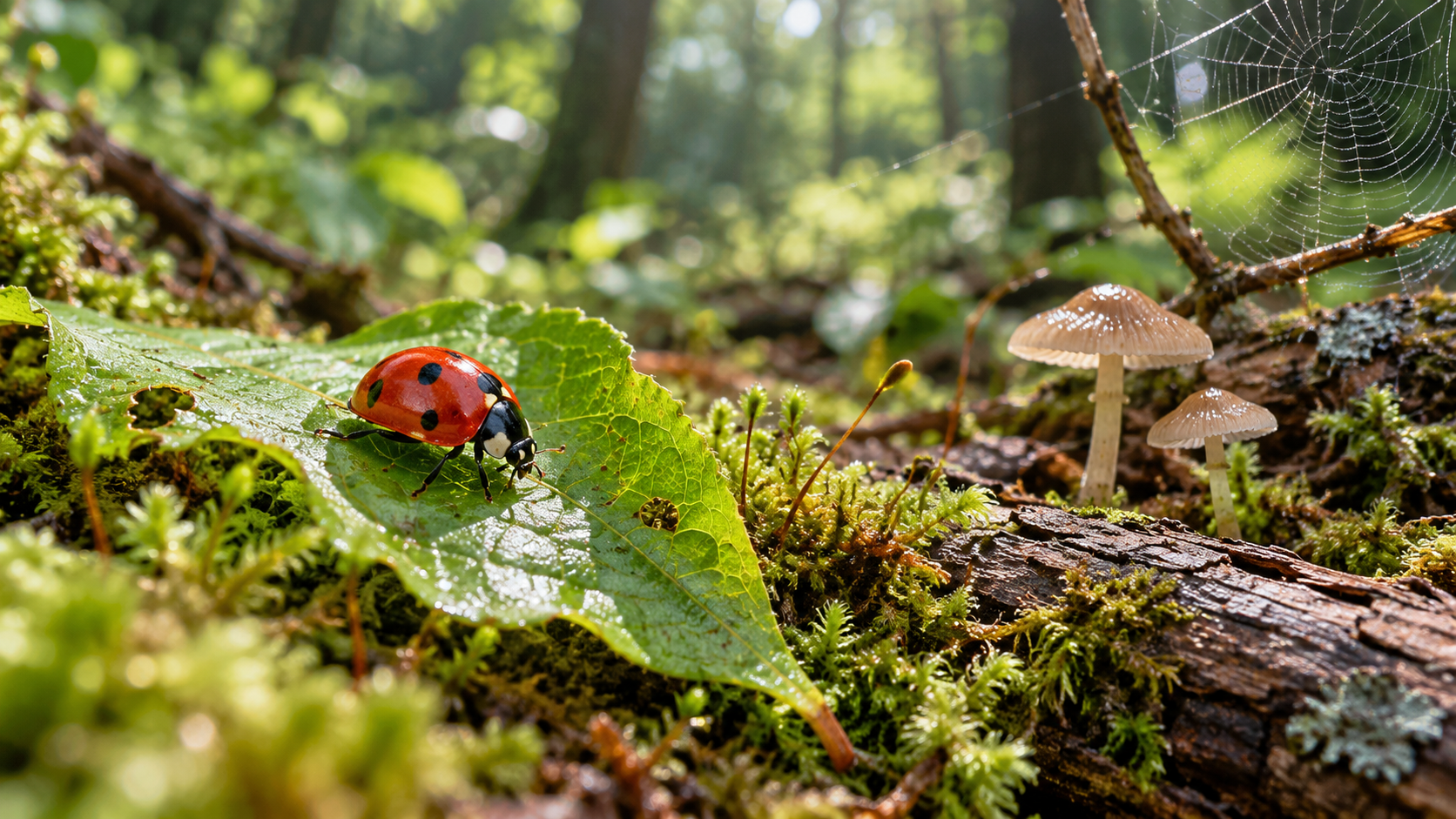
In forests, meadows and along hiking trails, you may encounter ladybirds, bumblebees, garden spiders and centipedes. Here is which ones can sting or bite, and when to seek medical help.
Most species are beneficial and generally harmless.
Bee or wasp stings and local swelling.
Wash the area, apply a cold compress and monitor symptoms.
Call 112 for breathing difficulties, facial swelling or faintness.
Which small creatures might you encounter in the forest?
Not every small forest creature is an insect, and not all can sting.
A practical guide for hikers, based on reliable species information and medical sources.This guide covers 20 small creatures, including insects, spiders, centipedes and even woodlice. In everyday speech, people often call all of them ‘bugs’, but the differences matter on a hike. Bees and wasps can defend themselves with stingers; spiders and centipedes may occasionally bite. Other species, such as ladybirds, hoverflies, gall midges and fireflies, are virtually harmless to people.
Not all the creatures listed here are typical inhabitants of dense forests. Some are more common at woodland edges, in clearings, beside paths, in gardens or among leaf litter. The practical questions are the same: should you be concerned, and what should you do if one lands on you, crawls over you or stings you?
For healthy adults, most of the creatures shown cause no more than minor discomfort. The real emergency is usually not the species itself, but a severe allergic reaction, numerous stings at once, or a sting in or around the mouth, throat or eyes.
Which ones are dangerous to people, and which are not?
The degree of danger depends on the species, the situation and individual sensitivity.
A practical guide for hikers, based on reliable species information and medical sources.Ladybird, green lacewing, hoverfly, gall midge, woodlouse, springtail, firefly and the crane fly discussed here.
Earwig, ground beetle, garden spider, predatory true bug, centipede and black garden ant. They generally cause only local pain or redness.
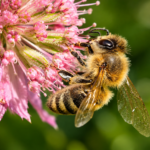
Bumblebees, scoliid wasps, parasitoid wasps, mining bees and mason bees. Not all are aggressive, but some can sting if handled or disturbed near a nest.
A severe allergic reaction is usually the greatest risk. Breathing difficulties, dizziness or swelling of the face or throat require immediate assistance.
Most are beneficial and virtually harmless to humans
Many striking insects help maintain the balance of the natural world.
A practical guide for hikers, based on reliable species information and medical sources.Many of the creatures discussed are particularly useful. Ladybirds and green lacewings feed on aphids, while hoverfly larvae also help control pests. Ground beetles and firefly larvae are predators that play important ecological roles. Woodlice and springtails help break down organic matter.
If one of these animals crawls onto you, gently brush it away or wait for it to move on. Not every encounter is a threat: seeing small creatures around you is a normal part of hiking through woodland.

An insect is not necessarily dangerous just because it is large, noisy or unusual-looking. The vast majority of woodland encounters require no treatment at all.
Bees, bumblebees and large wasps: when to take extra care
A sting usually causes a local reaction, but allergies need special attention.
A practical guide for hikers, based on reliable species information and medical sources.The buff-tailed bumblebee, mining bee, horned mason bee, scoliid wasp and parasitoid wasp discussed here are not all aggressive; most are actually quite peaceful. Nevertheless, these are among the more relevant species for people because their stings can cause stronger local reactions or allergies.
- Solitary bees, including mining bees, generally avoid confrontation.
- Bumblebees are usually peaceful but may defend their nests.
- Large wasps can look intimidating but are often less aggressive than they appear.
- For someone with an allergy, however, even a single sting may be dangerous.

Spiders, true bugs and predatory insects: unpleasant, but rarely serious
A bite or puncture may hurt, but it is rarely an emergency.
A practical guide for hikers, based on reliable species information and medical sources.The European garden spider may look frightening, but it generally poses little risk to people. Bites are uncommon and usually cause only mild local symptoms. The same is broadly true of predatory true bugs: picking one up or trapping it under clothing can result in a painful puncture, but serious effects are unusual.
With rove beetles, it is especially important not to crush them against your skin. Body fluids from certain species can irritate the skin, so promptly washing the area is better than scratching it.

Centipedes, earwigs and ants: often more alarming than dangerous
Centipedes, earwigs and ants defend themselves differently, but symptoms are usually mild.
A practical guide for hikers, based on reliable species information and medical sources.A centipede bite can be painful, which makes it one of the more unpleasant encounters among these creatures. Even so, it is generally not serious for healthy adults; the usual effects are local pain, redness and swelling. Earwigs and black garden ants may also be unpleasant, but severe poisoning is not expected.
The same basic approach applies: washing, cooling and observing the area is usually enough. Seek medical advice if pain is severe, swelling is extensive or symptoms worsen.

Which reactions are normal, and when is there cause for concern?
Distinguish a local reaction from symptoms affecting the whole body.
A practical guide for hikers, based on reliable species information and medical sources.Pain, itching, mild to moderate swelling, redness and warmth around the sting. These are common and do not automatically mean an emergency.
Increasingly extensive swelling, severe pain, discharge, fever, or symptoms that do not begin improving after one or two days.
Breathing difficulties, wheezing, throat tightness, lip or tongue swelling, faintness, vomiting or widespread hives.
A sting inside the mouth, on the tongue, on an eyelid or near the throat can be dangerous even if the insect’s venom is not normally severe.
An allergic reaction can worsen rapidly. Call 112 immediately if the person develops breathing difficulties, dizziness, unusual pallor or collapses.
What should you do immediately after a sting or bite?
The correct sequence: get to safety, remove any stinger, wash, cool and monitor.
A practical guide for hikers, based on reliable species information and medical sources.- Move away from the area. If bees or wasps are swarming nearby, first get to a safer location.
- Check the sting site. If a stinger remains in the skin, remove it as soon as possible, either by scraping it sideways or carefully with tweezers without squeezing the venom sac.
- Wash with soap and water. This simple step is very useful.
- Apply a cold compress. A cool, wet compress or ice wrapped in cloth can help reduce pain and swelling.
- Monitor symptoms. If there are only local symptoms, monitoring at home is usually enough. Seek help if the condition worsens.
- Do not wait if allergic symptoms develop. If you suspect a severe allergic reaction (anaphylaxis), call 112. If the person has a prescribed adrenaline auto-injector, use it immediately as instructed. Help the person lie down; sitting up may be more comfortable if breathing is difficult. Do not let them stand or walk.

What should you avoid after a sting or bite?
Scratching, home remedies and waiting through allergic symptoms can make things worse.
A practical guide for hikers, based on reliable species information and medical sources.- Do not scratch the site or break the skin.
- Do not try to suck out venom or cut the skin.
- Do not apply ice directly to the skin without a protective cloth.
- Do not automatically treat the area with antibiotics or strong creams without medical advice.
- Do not dismiss allergic symptoms simply because ‘it was only a bug bite’.
People often mistake a local swelling for a severe allergy, or vice versa. A painful red bump is unpleasant, but breathing difficulties and facial swelling are the true warning signs.
When do you need a doctor, urgent care or emergency services?
Rapid deterioration and signs of anaphylaxis require an immediate emergency call.
A practical guide for hikers, based on reliable species information and medical sources.Call 112 immediately: for breathing difficulties, throat tightness, tongue or lip swelling, fainting, confusion, sudden illness or symptoms typical of known anaphylaxis. Numerous stings at once also require urgent medical assessment.
Medical examination is recommended: if swelling is large and spreading, pain is severe, the sting was on the face or inside the mouth, the skin shows signs of infection, or a child or older adult has substantial symptoms.

Children and people with allergies need extra precautions
Children and people with known insect-venom allergies should have a plan in advance.
A practical guide for hikers, based on reliable species information and medical sources.A given amount of swelling and pain may seem more significant in children. For hikers with a known insect-venom allergy, even a single bee or wasp sting can quickly become an emergency. It is especially important to have a clear plan and to keep prescribed medication within reach.
Do not assume the next reaction will be milder. Discuss your personal action plan with your doctor before heading out, and carry the prescribed medication.

How to prevent stings and bites in the forest
Closed-toe footwear, careful movements and keeping clear of nests.
A practical guide for hikers, based on reliable species information and medical sources.- Wear closed-toe hiking shoes or boots and avoid resting barefoot in the grass.
- Do not reach into leaf litter, under logs or between rocks with bare hands.
- Watch for bees and wasps around food and sweet drinks.
- Do not swat frantically at insects; move away slowly instead.
- If you find a bumblebee or wasp nest, give it a wide berth.
- Teach children not to handle wildlife, however interesting or attractive it looks.

Quick reference: 20 small creatures at a glance
The complete quick-reference list, including risks and appropriate action.
A practical guide for hikers, based on reliable species information and medical sources.| Creature | Dangerous to people? | What could happen? | What should you do? |
|---|---|---|---|
| Seven-spot ladybird | Not dangerous | Very rarely causes mild irritation | Wash the skin, apply a cold compress; usually nothing further is needed. |
| Green lacewing | Not dangerous | Does not sting people | No action needed. |
| Hoverfly | Not dangerous | Most species do not sting | No action needed. |
| Ground beetle | Generally not dangerous | May pinch or bite lightly when handled | Clean the area and apply a cold compress. |
| Rove beetle | Usually not dangerous | Some species may irritate the skin if crushed | Wash the area, do not rub; cool it if irritated. |
| Earwig | Not dangerous | May pinch mildly | Wash and monitor. |
| European garden spider | Rarely causes mild discomfort | Bites are uncommon and usually mild | Wash, cool and monitor. |
| Parasitoid wasp | Rarely stings | Not particularly aggressive | Cool the area and watch for allergy symptoms. |
| Scoliid wasp | Can sting | Mainly if cornered or handled | Cool the area; see a doctor if symptoms are severe. |
| Buff-tailed bumblebee | Can sting | May defend its nest | Remove the stinger only if one remains; cool the area and monitor for allergic symptoms. |
| Horned mason bee | Rarely stings | Solitary bee, generally peaceful | Cool and monitor. |
| Gall midge | Not dangerous | Not one of the blood-feeding mosquitoes | No action needed. |
| Predatory true bug | May be painful | May deliver a painful puncture when handled | Wash, cool and manage pain if necessary. |
| Pill woodlouse | Not dangerous | Does not sting | No action needed. |
| Springtail | Not dangerous | Does not sting | No action needed. |
| Centipede | May be unpleasant | A painful bite can occur | Wash, cool and monitor swelling. |
| Firefly | Not dangerous | Does not sting | No action needed. |
| Mining bee | Rarely stings | Generally peaceful solitary bee | Cool and monitor. |
| Crane fly | Not dangerous | A crane fly is not a blood-feeding horsefly | No action needed. |
| Black garden ant | May cause mild discomfort | May bite and irritate the skin with formic acid | Wash, cool and avoid scratching. |
Crane flies are not the same as blood-feeding horseflies or biting mosquitoes. Several creatures that look alarming, including garden spiders and centipedes, are usually far less dangerous than they first appear.
An often-overlooked forest hazard: ticks can pose a greater risk
Ticks deserve particular attention among small woodland creatures.
A practical guide for hikers, based on reliable species information and medical sources.Although ticks are not among the 20 creatures covered here, they may present a more substantial real-world risk on many hikes in Hungary than most of the more conspicuous insects and spiders. Check yourself for ticks after hiking, wear long trousers and protective clothing, and consider appropriate tick prevention.
In other words, take bee and wasp stings seriously without fearing every tiny creature. Recognising wildlife, knowing basic first aid and understanding genuine warning signs is much more useful than panic.
Most small woodland creatures are not your enemies—just know what to watch for
Most species are not dangerous
There is no need to worry about ladybirds, hoverflies, gall midges, woodlice or fireflies.
Wash, cool and monitor
This is enough for most stings. After a bee sting, check for a retained stinger and watch for allergy symptoms.
Call 112 for breathing difficulties
Facial, lip or tongue swelling, sudden illness, faintness or wheezing require emergency assistance, not watchful waiting.


Sources, photographs and licensing
Medical and practical sources: Reviewed on 22 October 2026. This article is not a substitute for medical diagnosis. Seek urgent help in the event of a severe allergic reaction or deterioration.
- NHS – Anaphylaxis: adrenaline auto-injectors, emergency calls and positioning
- NHS – Insect bites and stings
- St John Ambulance – First aid for insect bites and stings
- Cleveland Clinic – Overview of anaphylaxis
- Hungarian Police – European emergency number 112
Photographs: Section photographs link to their respective Wikimedia Commons file pages. Check the individual file pages for exact licensing terms.
- Coccinella_septempunctata.png – GattoCeliaco / Wikimedia Commons
- Chrysoperla carnea (35596945823).jpg – Donald Hobern / Wikimedia Commons
- Bombus_terrestris.jpg – Marco Almbauer / Wikimedia Commons
- Araneus_diadem.JPG – Arnstein Rønning / Wikimedia Commons
- Lithobius_forficatus.jpg – Palica / Wikimedia Commons
- Wespenstich.jpg – Niels Kolditz / Wikimedia Commons · CC BY-SA 3.0
- Modern medical examination room.jpg – Shixart1985 / Wikimedia Commons · public domain
- Adrenalina_autoinyector1.JPG – AngelHM / Wikimedia Commons
- A person walking on a path through a dense forest.jpg – Deishini Mariam / Wikimedia Commons · CC BY-SA 4.0
Image use: The 16:9 cropping is applied through CSS. The WordPress Featured Image field may be managed separately.