
Wildlife while hiking: what animals should you expect in each region?
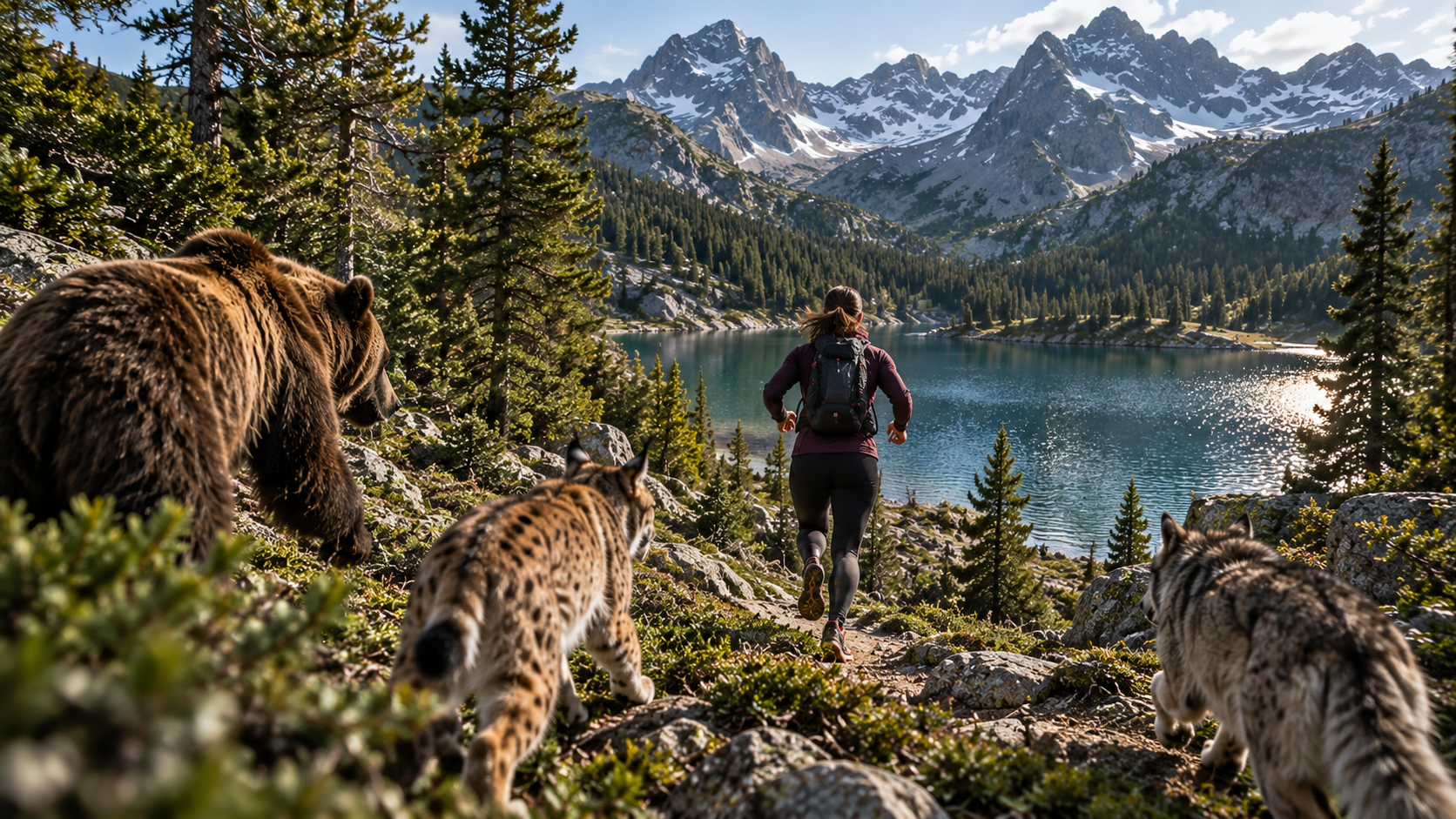
The fact that an animal occurs in a country, does not mean you are likely to encounter it on an average hike. The region, habitat, time of day and season tell you much more. Large carnivores are genuinely present in the forested Carpathians and Dinaric Alps. In the high Alps you are more likely to see chamois, ibex and marmots, while in everyday hiking terms ticks—and in some regions vipers—are often more relevant than wolves or lynx.
Romania and Slovenia are good examples: within the same country, bear-inhabited forests and high-mountain tourist areas can have very different wildlife.
They are genuinely present in many regions, but direct encounters are far rarer than distribution maps might suggest.
The common European adder is more typical of cooler mountain habitats, while meadow vipers or nose-horned vipers are more relevant in drier, rockier parts of the Balkans.
Ticks are widespread in wooded and grassy areas of Central Europe; because of Lyme disease and tick-borne encephalitis, they are a major practical issue for hikers.
- CarpathiansBears, wolves and lynx are genuinely present in several regions; bears require the most practical attention.
- AlpsChamois, ibex and marmots are more typical; Austria has no permanent bear population, but roaming individuals can appear.
- Dinaric Alps and BalkansAlongside bears, wolves, lynx and wild boar, the nose-horned viper is also an important species in warm, rocky areas.
- Always check local alertsCurrent warnings from national parks, forestry authorities and other agencies are always more precise than a country-wide species list.
Which animals are realistically present on a hike, and where?
Wildlife in nearby mountain regions at a glance
“May occur” does not mean you will actually encounter it. Large carnivores often live in an area without most hikers ever seeing them.| Country / region | Typical species | What it means for hikers |
|---|---|---|
| Slovakia – High Tatras, Low Tatras, Fatra, Poľana, Muráň, Slovak Paradise | Brown bear, wolf, lynx, wild boar, common European adder, ticks. | Avoiding a sudden close encounter with a bear is the main large-carnivore safety issue. |
| Romania – Eastern and Southern Carpathians | Brown bear, wolf, lynx, wild boar; common European adder; nose-horned viper in the southwest and Dobruja. | Brown bears are a particularly relevant presence in many mountain areas. |
| Slovenia – Kočevsko, Notranjska, Snežnik; Julian Alps | Bear, wolf, lynx; chamois, ibex and marmot in the Alps; vipers and ticks. | The core large-carnivore areas are mainly in the south and southwest; the species mix around Triglav is different. |
| Croatia – Gorski kotar, Lika, Velebit, Plitvice, Paklenica | Bear, wolf, lynx, wild boar, chamois; nose-horned viper. | The Dinaric Alps are both large-carnivore and viper country. |
| Austria – Alps | Chamois, ibex, marmot; wolves in some areas, lynx locally; roaming bears; common European adder and nose-horned viper. | A typical high-mountain encounter is more likely to involve an ungulate or marmot than a bear. |
| Serbia – mountain and hill regions | Wolf, wild boar; on Kopaonik bears are more often roaming individuals; common European adder and nose-horned viper. | The nose-horned viper is particularly relevant in rocky uplands south of the Sava and Danube. |
| Hungary – North Hungarian Mountains | Wolf, lynx; occasional roaming brown bears; wild boar. The common European adder occurs only in a few isolated parts of Hungary. | Large carnivores are genuinely present, but direct encounters are rare. |
| Transcarpathia and the Ukrainian Carpathians | Part of the Carpathian large-carnivore belt: bears, wolves and lynx are all present. | In faunal terms it continues the Slovak–Romanian Carpathian system; current local information should be checked separately. |
Distribution is not the same as encounter probability. Lynx, for example, occur in many forested regions yet seeing one is exceptional. Ticks are far less dramatic, but for most hikers they are a much more everyday risk.
Bear, wolf and lynx: here you really are hiking in large-carnivore country
Bear presence is not merely theoretical
Slovak nature conservation authorities maintain dedicated bear-safety guidance and a current reporting system.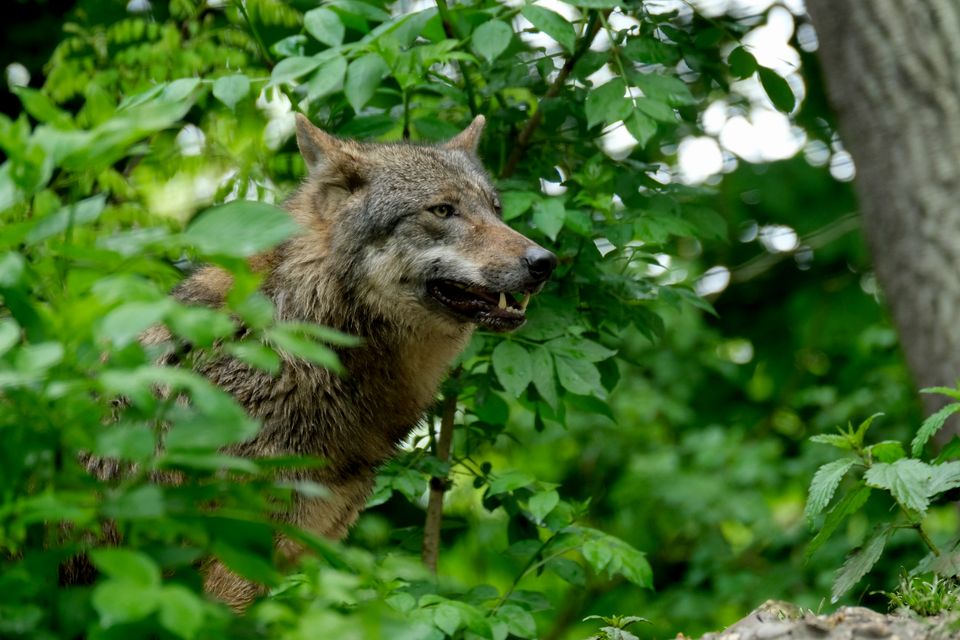
In the Slovak Carpathians, brown bear, wolf and lynx are all part of the natural fauna. The practical difference is that wolves—and especially lynx—usually avoid people, while with bears it is worth specifically preparing for a sudden close encounter in dense vegetation or poor visibility and hearing conditions.
In dense vegetation, beside a stream, in strong wind or at a blind bend, make normal human noise. Slovak nature conservation authorities also specifically stress keeping dogs on a lead in bear country.
The central and eastern Carpathians are among Europe’s most important bear regions
Not every Romanian mountain region has the same bear presence
Official management documents indicate particularly high densities in the central and north-eastern Carpathians.The distribution of brown bears in Romania is largely tied to the forested mountain areas of the Carpathians Areas around Harghita, Covasna, Brașov, Mureș, Neamț and Buzău are particularly important. For hikers this means that in the Eastern Carpathians, the mountains around Brașov and several Transylvanian ranges, bears are not a rare isolated curiosity.
Vipers: two different habitat patterns
With snakes, it is not enough to know simply that “there are vipers in Romania”.Carpathians and cooler habitats
More relevant in mountain, forest-edge, meadow or wetter habitats.
Southwest and Dobruja
Typical of rocky, scrubby slopes and stony deciduous woodland; the Romanian Ornithological Society associates its distribution with these regions.
The large-carnivore world of the Dinaric Alps exists alongside the high-mountain fauna of the Julian Alps
In Slovenia, the core bear area is not primarily Triglav
The distribution of large carnivores shows clearly why it is important to think in regions rather than countries.In Slovenia, brown bear, wolf and lynx are all native large carnivores. The Kočevsko–Notranjska–Snežnik–Trnovski gozd region is far more important for large carnivores than the classic high-mountain hiking routes. In Triglav National Park bears appear only occasionally, while chamois, ibex and marmots are distinctly typical Alpine species.
In Croatia, the Gorski kotar, Lika, Velebit and Plitvice forested mountain belt is classic Dinaric large-carnivore habitat. Velebit Nature Park’s official fauna list includes bear, wolf and lynx among the area’s large carnivores, alongside wild boar, deer and chamois.
In the Alps, expect chamois, ibex and marmots rather than a permanent bear population
Seeing classic Alpine wildlife is much more realistic
On high-alpine grassland and rocky terrain, ungulates and marmots are the most characteristic larger animals.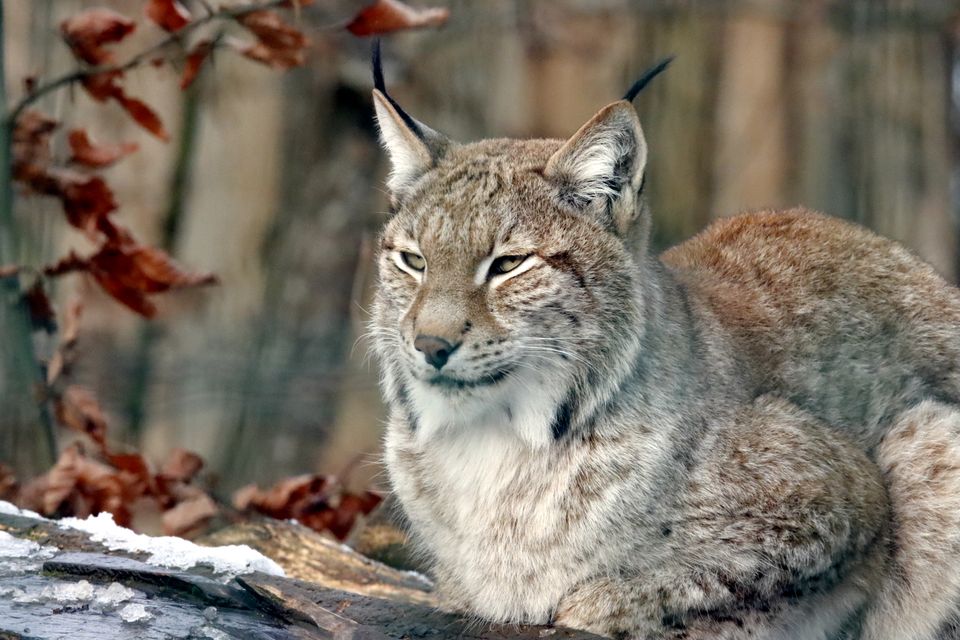
Austria currently has no permanent brown bear population. According to the Austrian Centre for Bear, Wolf and Lynx, roaming individuals still arrive each year from Italy or Slovenia. This is an important distinction: bears can occur, but you should not expect them in the same way as in core bear areas of Romania or Slovenia.
Austria has two native venomous snake species
Alongside the common European adder, the nose-horned viper also occurs, mainly in southern areas.The Austrian health portal identifies the common European adder (Vipera berus) and the nose-horned viper (Vipera ammodytes) as native venomous snakes. Severe cases are rare in Europe, but a bite requires medical assessment.
Do not suck, cut or squeeze the wound, and do not apply a compression bandage. Keep the limb still, minimise movement and seek medical help.
In the Balkans, the nose-horned viper is at least as relevant to hikers as large carnivores
Rocky, dry slopes: watch where you step and place your hands
The core range of the nose-horned viper is the Balkan Peninsula, and it occurs in mountain regions of several neighbouring countries.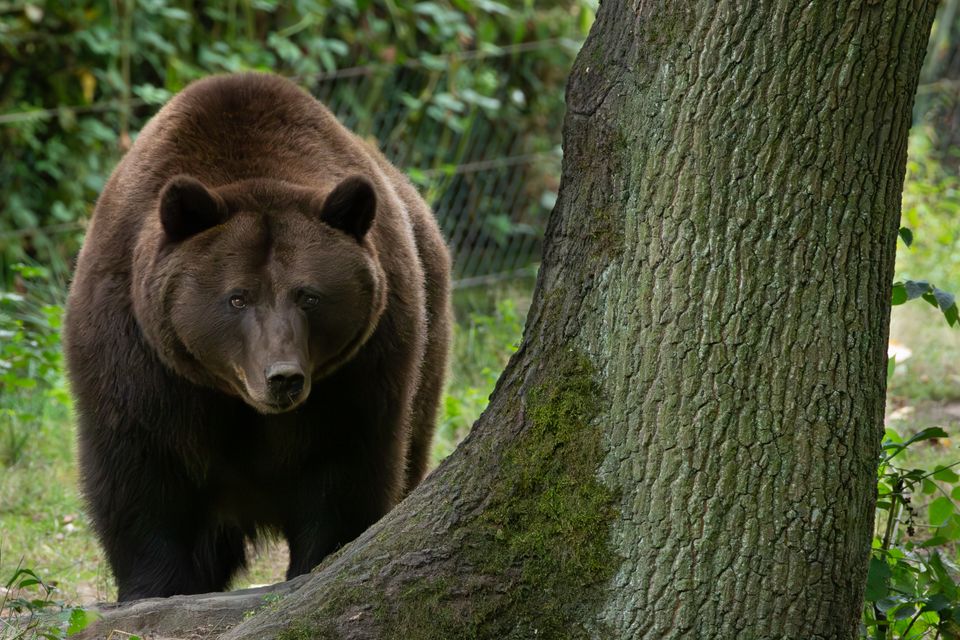
According to Kopaonik National Park’s official species description, the nose-horned viper is widely distributed in Serbia across hilly and mountainous areas south of the Sava and Danube. It favours rocky, scree-covered, scrubby and sunny habitats. The common European adder also occurs in Serbia, but its distribution is far more fragmented.
Wolves and lynx have returned to the northern mountains; bears are mostly roaming visitors
Aggtelek and the Bükk are now large-carnivore landscapes – but not “danger zones”
The presence of these species is a conservation fact, but the chance of a hiker encountering them should not be exaggerated.According to Aggtelek National Park, wolves and lynx have re-established themselves in the area in recent decades, while brown bears occur occasionally as roaming individuals Bükk National Park likewise reports the return of wolves and lynx, along with more frequent bear observations.
Tracks or droppings are not a danger situation by themselves. Do not follow the animal, do not approach prey or carcasses, and keep your dog under control.
The animal you fear most is not necessarily the one that matters most
Frequency and consequence: treat these as two separate questions
Wolves attract attention, but ticks may be a real factor on far more hikes.| Animal / group | How realistic is an encounter? | What should you do? |
|---|---|---|
| Tick | Widely present in wooded and grassy Central European habitats. According to the ECDC, Central Europe is a major region for ticks infected with Lyme borreliosis. | Use repellent and covering clothing where appropriate, check your whole body after the hike, and remove ticks promptly. |
| Wild boar | Present in many countries and in far more forests than large carnivores. | Give it space, do not approach piglets, and keep your dog under control. |
| Viper | Highly habitat-dependent; locally realistic in mountain and Balkan regions. | Watch where you step, do not reach into rock crevices; after a bite, stay still and seek medical care. |
| Brown bear | A real presence in bear regions of Slovakia, Romania and the Dinaric Alps, but encounters are not everyday even there. | Avoid surprising a bear at close range; do not run; follow local guidance. |
| Wolf | Its range is extensive, but direct encounters with people are rare. | Do not approach or feed it; give it space and keep your dog under control. |
| Lynx | It may be present even if you hike in its territory for years without ever seeing one. | If you see one, keep your distance; it is not a typical danger to ordinary hikers. |
| Chamois, ibex, deer | Regularly seen in Alpine and mountain regions. | Do not approach for a photo, block their route or feed them. |
| Grazing livestock and livestock guardian dogs | A very practical issue on Alpine, Carpathian and Balkan pastures. | Do not walk into the herd, keep your dog under close control, and avoid getting between a mother and her young. |
A 5-minute wildlife safety check before setting out
You do not need to turn every hike into a wildlife expedition; a few targeted checks are enough.- Check the national park’s current warningsBear sightings, closures, hunting, grazing livestock or other local conditions can change quickly.
- Know whether you are entering bear or viper countryFor this you need region-level information, not just a country list.
- Prepare more carefully if hiking with a dogA free-running dog can increase conflict around large carnivores, wild boar, livestock and livestock guardian dogs.
- Prepare for ticksFrom spring to autumn, this is one of the most widespread biological risks in wooded and grassy terrain.
- Do not approach during an encounterNot even for a photo. Wildlife watching is a good experience when the animal does not have to flee or defend itself because of you.
The range of large carnivores and other species changes, and individual animals can travel long distances. Current local information from the relevant national park or authority always takes priority.
“Romania has bears; Austria does not.”
The reality is more nuanced: bear presence varies within Romania, and roaming bears can regularly enter Austria. Always look at the specific mountain region and habitat.
Region → habitat → current alerts → species → correct behaviour.
If you follow these five steps, you prepare for wildlife based on local conditions rather than fear.
Sources and background
Species distributions are dynamic, so this article distinguishes regions within countries and, where possible, uses official conservation, national-park or public-health sources. For large carnivores, the European Commission’s current continent-wide summary covering 2017–2022/23 provides the main distribution background.
- European Commission — large carnivore populations across Europe
- European Commission — large carnivores: facts and common misconceptions
- ŠOP SR — safety in areas inhabited by brown bears
- ŠOP SR — bear, wolf and lynx monitoring in Slovakia
- Government of Slovenia — brown bear, wolf and lynx
- Triglav National Park — fauna: ibex, chamois, marmot, bear, viper
- Velebit Nature Park — bear, wolf, lynx, wild boar and chamois
- Romanian Ministry of Environment — brown bear management plan and Carpathian distribution
- Marc Nesen / Pexels — brown bear in a lush green forest habitat
- Austrian Centre for Bear, Wolf, Lynx — bear distribution Austria
- Austrian Centre for Bear, Wolf, Lynx — wolf distribution Austria
- Austrian Centre for Bear, Wolf, Lynx — lynx distribution Austria
- Austrian Health Portal — native venomous snakes and snakebite first aid
- Kopaonik National Park — nose-horned viper and common adder
- Kopaonik National Park — wolf, wild boar and brown bear status
- Aggtelek National Park — wolf, lynx and roaming brown bear
- Bükk National Park — return of large carnivores
- Aggtelek National Park — cross-border Carpathian large-carnivore region
- ECDC — European distribution map of Ixodes ricinus
- ECDC — Lyme borreliosis: Central Europe and tick infection rates
- Lorenzo Boldorini / Pexels — hero brown bear photo
- Nicky Pe / Pexels — wolf photo
- patrice schoefolt / Pexels — Eurasian lynx in an autumn forest
- Marc Nesen / Pexels — brown bear in a lush green forest habitat