Hiking boot brands: what each is good at, who they suit, and where to buy them
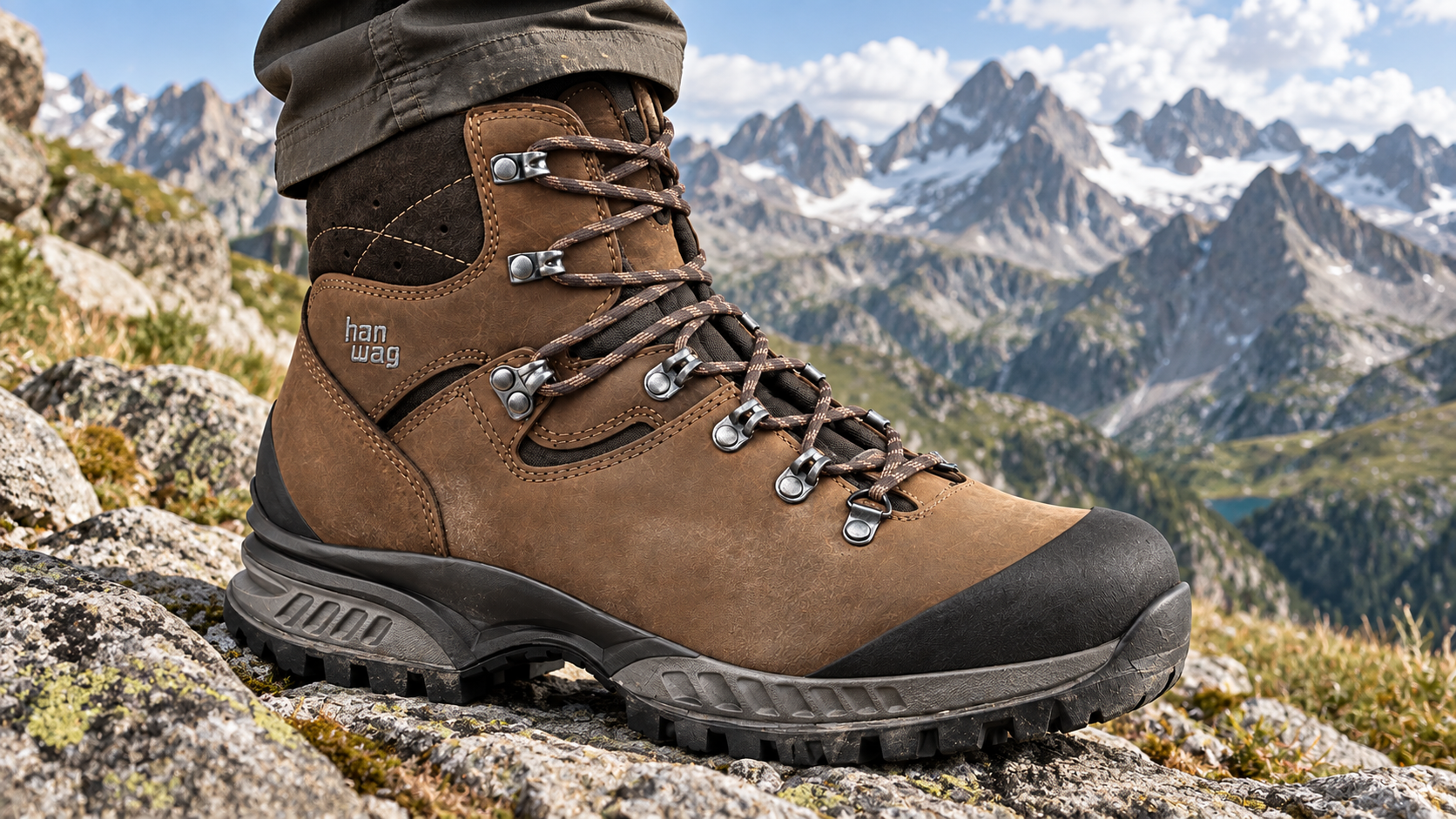
There is no single “best brand” that works for everyone. A light forest walk needs something very different from a steep, rocky mountain route, and a multi-day trip with a heavy pack is different again. This guide does more than list brands: it also shows what each manufacturer is particularly good at, who it may suit as a starting point, and where to look for their models.
The same manufacturer may offer narrow, wide, lightweight and very stiff models.
An easy trail does not necessarily require a heavy alpine-style boot.
Several manufacturers offer specific lasts for wide forefeet, bunions or narrow heels.
Size is only part of the fit; heel hold, toe room and downhill comfort are best judged by trying the boot on.
- Start with the hikes you actually doA forest walk, a multi-day trek and rocky high mountains call for very different boots.
- Then consider your foot shapeNarrow the choice by width, heel fit, instep and toe room.
- Only then does the brand matterA brand’s strengths can guide you, but the fit of the specific model is what decides it.
- Test them downhill tooYour toes should not hit the front, and your heel should not lift noticeably.
Before choosing a brand, decide what kind of hiking the boots are for
Start with these four questions
Once you can answer them, it becomes much easier to narrow down the brands and models worth considering.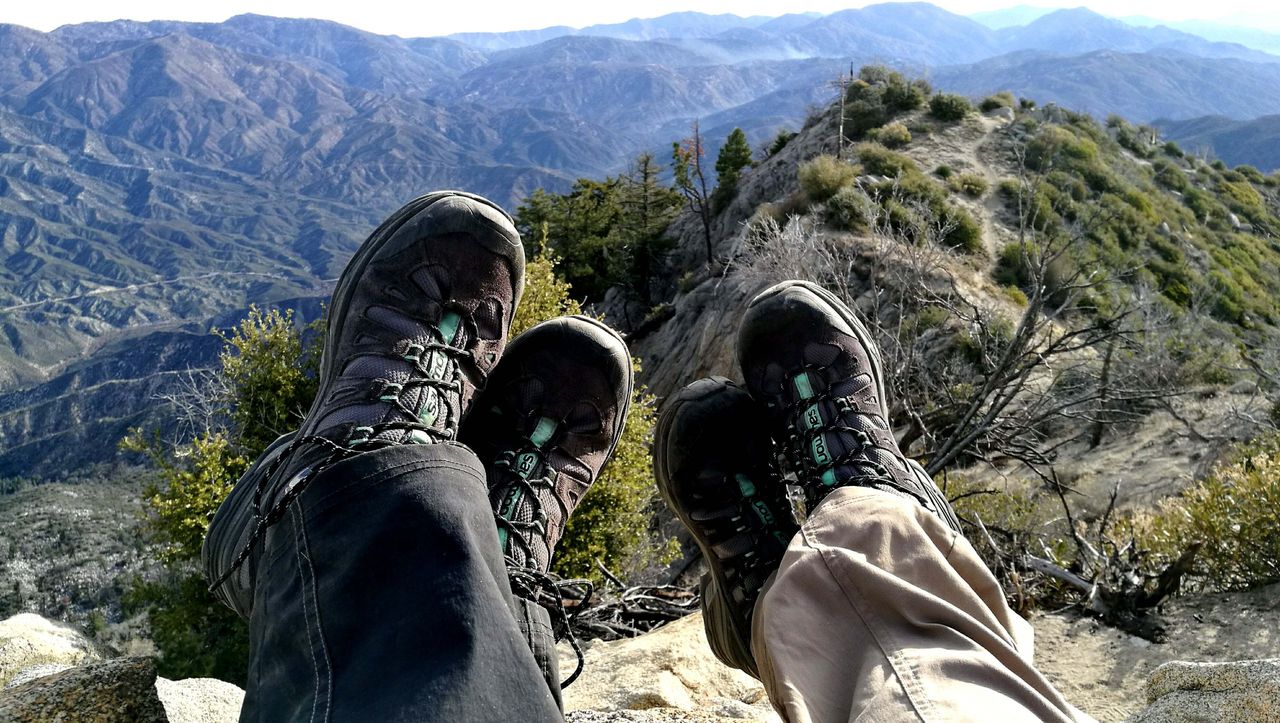
It is rarely useful to label an entire brand as simply “narrow” or “wide”. Many manufacturers use several different lasts, Wide versions and product lines for different purposes. How one model feels does not necessarily tell you how another boot from the same brand will fit.
Hanwag, Meindl and LOWA: major names in classic trekking boots
If you want durability, stability and a build suited to longer hikes
All three brands also make lighter models, but they are especially well known for classic hiking and trekking boots.| Brand | Key strengths | Who should consider it? |
|---|---|---|
| Hanwag | Durable leather models, stable trekking boots, resoleable constructions and a wide range of specialist lasts. Wide and Bunion versions are particularly interesting for wider forefeet or bunions. | For longer hikes, heavier packs, rocky terrain, or anyone who struggles with standard lasts. |
| Meindl | A very broad range from light hiking to alpine boots. MFS memory foam adapts around the ankle, while Comfort fit models provide more room in the forefoot. | For anyone who wants to compare many models within one brand, or who is looking for a balance of comfort and classic trekking construction. |
| LOWA | Comfortable, versatile hiking boots and well-known trekking models. Several cemented models can be resoled; the Renegade family represents a lighter, more all-round direction. | For day hikes and multi-day trips when you want stability without necessarily choosing a very heavy boot. |
In short: Hanwag has a strong focus on durable, repairable trekking boots and specialist lasts; one of Meindl’s biggest strengths is its huge choice of models and fits; LOWA often bridges classic stability and a more modern, lighter walking feel.
Scarpa, La Sportiva, AKU and Zamberlan: more technical, mountain-focused options
A lot of their technical know-how comes from mountaineering and approach footwear
These brands offer many models that sit between traditional trekking boots and more athletic, technical mountain footwear.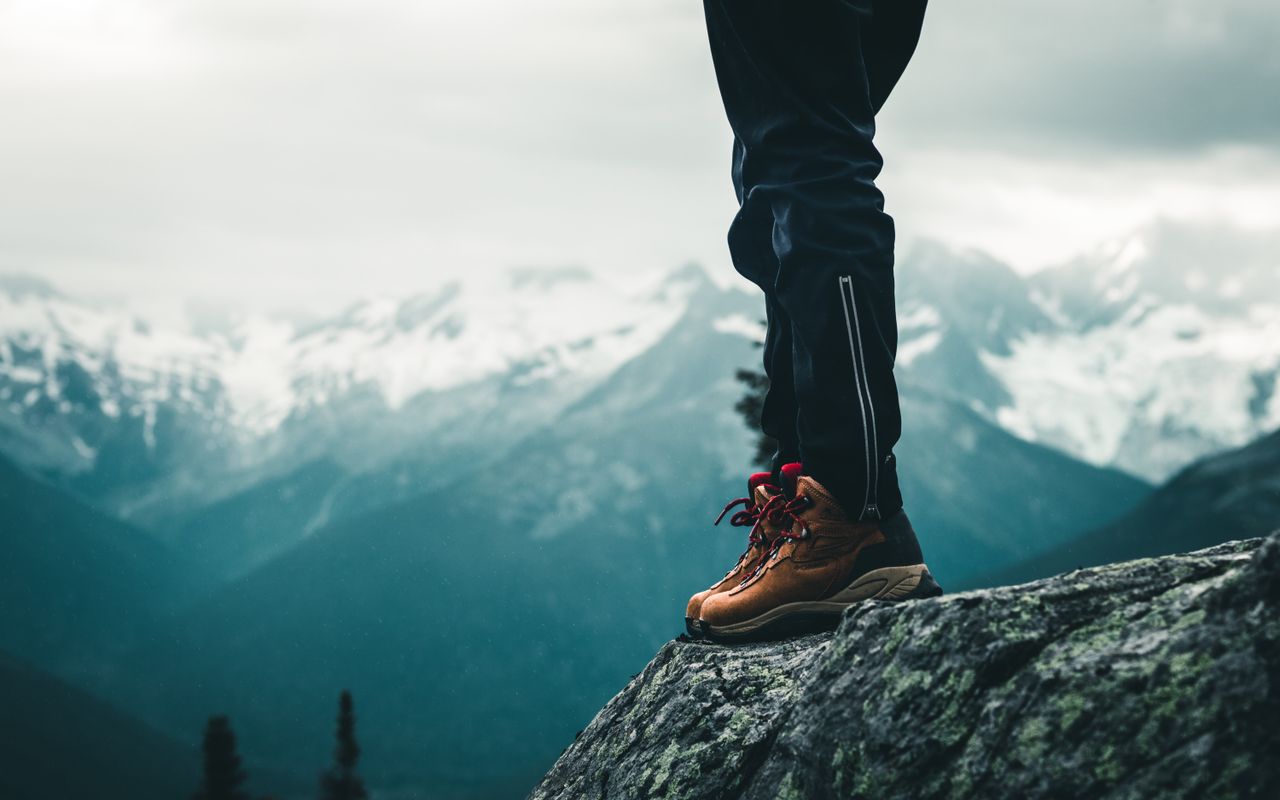
| Brand | Typical strength | A good starting point if… |
|---|---|---|
| Scarpa | Technical mountain footwear, precise lacing and stability, alongside several comfortable hiking and fast-hiking models. Some models are officially resoleable. | You hike on mixed, rocky terrain and value control, precise footwork and a mountain-oriented feel. |
| La Sportiva | A strong mountaineering and trail heritage, good grip, athletic movement and lighter technical models. The Aequilibrium Hike, for example, is a light, agile and resoleable hiking boot. | You hike on rocky, technical terrain and want a more athletic feel than a classic heavy trekking boot. |
| AKU | Comfortable classic and modern trekking models, several Wide versions, Gore-Tex and Vibram options, plus a strong emphasis on material traceability. | You want a comfortable, more traditional boot for longer hikes without necessarily choosing something overly stiff. |
| Zamberlan | Premium leather trekking boots, robust construction and a traditional mountain character. Many models target long service life and tougher terrain. | You want a durable, substantial leather boot for longer treks or heavier packs. |
Salomon, Merrell and Hoka: lighter, sportier and more cushioned options
Not every hiker wants to walk in 1.5-kilogram boots
Some modern hiking footwear combines the lightness and cushioning of trail-running shoes with the protection of a boot.| Brand | Key strengths | Best suited to |
|---|---|---|
| Salomon | Light, agile hiking shoes and boots, stabilising chassis systems and proprietary Contagrip outsoles. The X Ultra family includes standard and, for some models, Wide fits. | Day hikes or faster hiking on mixed terrain when agile movement and lower weight matter. |
| Merrell | Comfortable, easy-to-wear and widely available hiking footwear. The Moab family includes standard and Wide fits, as well as Vibram-soled and waterproof versions. | For beginners and regular hikers on forest and low-to-mid mountain trails when comfort and ease of use are priorities. |
| Hoka | High cushioning, a smooth rolling sole geometry and often a lighter, running-shoe-like feel than classic trekking boots. | For long walks and hikes where shock absorption and a softer ride are top priorities. |
On well-maintained trails with a lighter pack, many hikers may find a light mid-cut model more comfortable than a stiff trekking boot. With a heavy pack, rocky terrain or substantial lateral loads, however, a more stable construction offers greater benefits.
Quick selector: which brands are worth considering for each need?
A starting point, not a ranking
The table shows the general direction of each brand. A specific model may differ.| If you are looking for this | Brands worth checking first |
|---|---|
| Classic, durable trekking boot | Hanwag, Meindl, LOWA, Zamberlan, AKU |
| Technical, rocky mountain terrain | Scarpa, La Sportiva, Hanwag, Meindl |
| Light, sporty hiking boot | Salomon, La Sportiva, Scarpa, Hoka |
| High cushioning for long-distance walking | Hoka, Salomon, Merrell |
| More options for wider forefeet | Hanwag Wide/Bunion, Meindl Comfort fit/Wide, Merrell Wide, selected Salomon Wide models, selected AKU Wide models |
| Resoleability matters | Several Hanwag trekking models, several cemented LOWA models, selected Scarpa and La Sportiva models, selected AKU models |
| Easy to find across several price ranges | Salomon, Merrell, La Sportiva, Meindl |
The last often matters more than the logo
Wide forefoot, narrow heel, bunion: there are specialised options
Major manufacturers do not build their entire range around a single shape.Sizing rule: hiking boots generally need some room in front of the toes because the foot moves forward on descents and can swell slightly on longer hikes. There is no universal extra-centimetre rule, however; heel hold and the shape of the last are just as important.
Where can you buy these brands? Many are available in Hungary, but check stock before you go
Examples of current retailers in Hungary
This is not a complete retailer list. Specific models, sizes and store stock can change quickly, so check the retailer’s website before travelling.
| Brand | Examples of Hungarian retailers / Hungarian-language stores |
|---|---|
| Hanwag | Mountex, Trexpert, Sportega and other outdoor webstores. |
| Meindl | Decathlon online marketplace, several outdoor specialist shops and webstores; the selection varies considerably by retailer. |
| LOWA | Mountex, Decathlon’s online range and several hiking/outdoor webstores. |
| Scarpa | Trexpert, Decathlon online marketplace, Sportano and other outdoor webstores. |
| La Sportiva | Mountex, Decathlon online, Zalando, Answear and several outdoor specialist stores. |
| AKU | Mountex, Decathlon online and outdoor webstores. |
| Zamberlan | Trexpert and specialist hiking/outdoor stores. |
| Salomon | Mountex, Decathlon and many sports/outdoor stores. |
| Merrell | Decathlon, Dockyard and several large online outdoor retailers such as 4camping or Sportega. |
| Hoka | Mountex and running/outdoor specialist stores; the hiking-boot range may be smaller than the running-shoe selection. |
At large webstores, some brands are supplied by third-party marketplace sellers. You can still buy them, but the same model may not be physically available to try on in a store. If you are unsure about fit, a specialist shop where you can compare several models and sizes is usually the better option.
Trying them on is decisive: this is where you find out whether the boot really fits
Check these points in the shop
Do not just stand in front of a mirror: walk, use stairs, load the boot and test it downhill as well.- Wear the socks you actually hike inSock thickness can noticeably change the fit.
- Lace them properlyThe heel should be secure, without painful pressure over the instep or around the ankle.
- Walk downhill or use a test rampYour toes should not hit the front of the boot.
- Watch for heel movementA small amount of movement can be normal, but obvious up-and-down heel slip may cause blisters over time.
- Try at least 2–3 different lastsDo not stop at the first pair that feels comfortable; comparison often reveals which fit actually works best.
- Do not expect the wrong size to “break in” and become rightLeather can adapt somewhat, but use will not fix a boot that is too short, presses in the wrong place or uses the wrong last for your foot.
“It is a good brand, so it must work for me too.”
It can still be too narrow, too stiff, too soft or simply the wrong shape for your foot.
Hike type → terrain → foot shape → stiffness → brand → model → try-on.
Following this order makes it much easier to find a boot that is not only expensive, but genuinely comfortable and suitable for the job.
Sources and background
Models, technologies and retailer stock can change. Before buying, always check the current manufacturer specifications and retailer availability.
- Meindl – MFS Memory Foam System
- Meindl – Comfort fit last
- Hanwag – Bunion lasts and wider forefoot
- LOWA – resoling options
- SCARPA – Rush TRK GTX, technologies and resoling
- La Sportiva – Aequilibrium Hike GTX
- AKU – hiking models and selection guidance
- Salomon – X Ultra 5 Mid GTX
- Merrell – Moab 3 Mid Waterproof
- Mountex – hiking boot range and brands
- Trexpert – hiking boot range
- Decathlon – hiking boot range and marketplace
- Pexels – Kirill Lazarev: hiking boots / mountain outdoor photo
- Pexels – Noel Ross: hiking boots / mountain outdoor photo
- Pexels – Ali Kazal: hiking boots / mountain outdoor photo
- Pexels – Harrison Fitts: hiking boots / mountain outdoor photo
- Pexels – Ivan S: hiking boots / mountain outdoor photo
- Pexels – Rachel Claire: hiking boots / mountain outdoor photo
- Pexels – Gaspar Zaldo: hiking boots / mountain outdoor photo